August 14, 2026
Explore the monetary and aesthetic value of investing in marble countertops. This article delves into the cost-benefit analysis, market trends, durability, and more to help you make an informed decision. As marble continues to be a top choice for homeowners seeking luxury and elegance, understanding its impact on property value and overall appeal is crucial. From examining initial expenses to analyzing long-term benefits, the multifaceted nature of marble countertops will be thoroughly assessed. Join us as we dissect both the tangible and intangible returns that marble can offer, ensuring that your investment aligns with your renovation goals.
The Basics of Marble Countertops
The allure of marble in interior design dates back centuries, renowned for its use in classical architecture and opulent palaces. It has symbolized wealth and sophistication, making its way from ancient Roman baths to modern kitchens. The timeless appeal of marble stems from its natural beauty and unique veining, which gives each piece a distinctive character. As a result, marble continues to hold its place as a premium material, often associated with upscale designs. This history of luxury remains ingrained in modern perceptions, ensuring its relevance as a sought-after choice in interior design.
Throughout history, the use of marble extended beyond aesthetics into functional architecture. Ancient civilizations, impressed by its practicality, utilized marble for both its durability and artistic potential. Over time, its availability increased, bringing it into more common usage while maintaining its prestigious reputation. The persistent demand can be attributed to its ability to complement both traditional and contemporary settings. Therefore, investing in marble countertops taps into a long lineage of elegance, adding a classic touch that transcends trends.
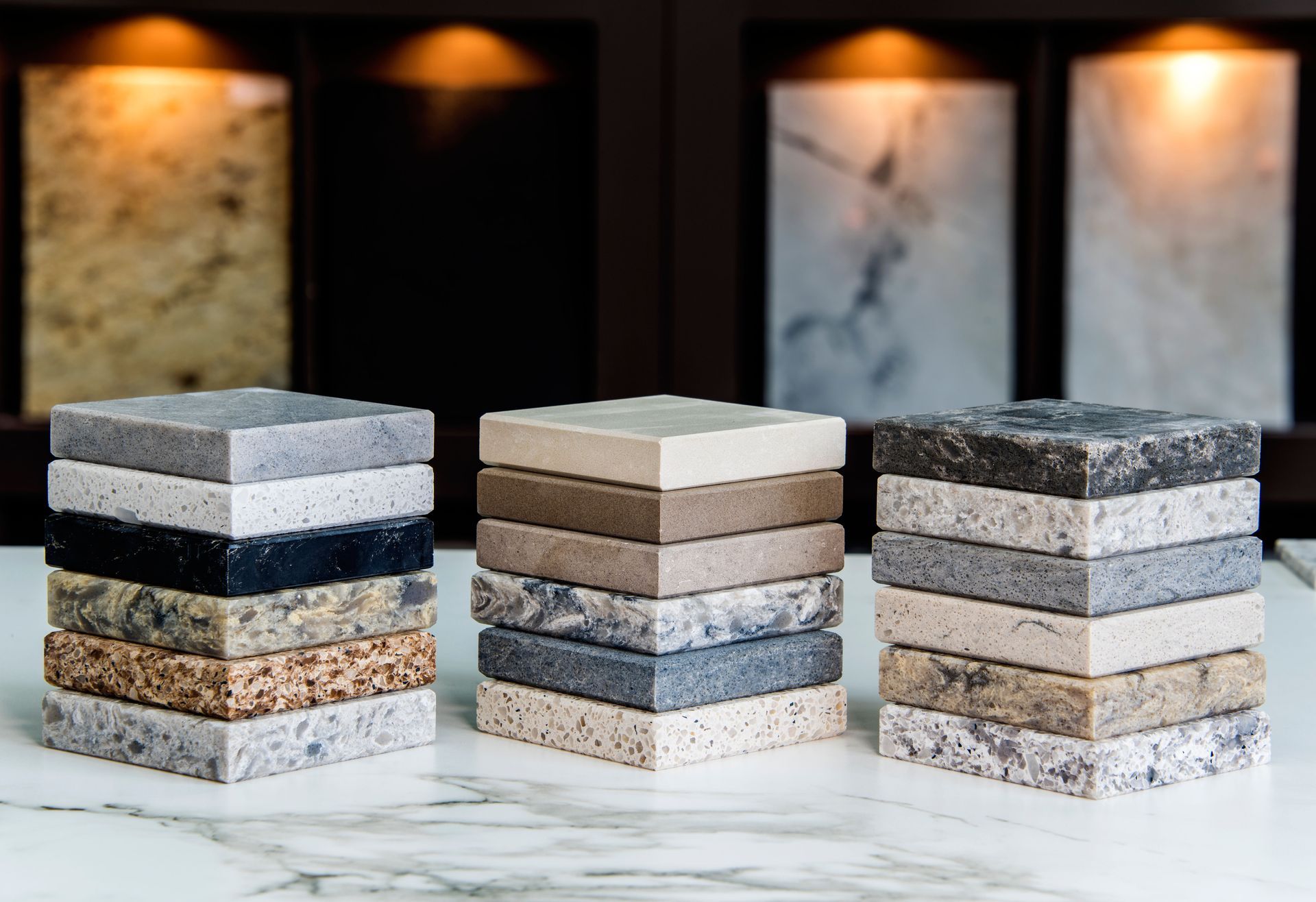
Diversifying the options, several types of marble have gained popularity for countertop installations. Among the most esteemed are Carrara, Calacatta, and Statuario marbles, each with distinct qualities and appearances. Carrara marble, usually grayish-white with softer veining, is a classic, affordable option favored for its versatility. In contrast, Calacatta marble, with bolder and more dramatic veining, presents a luxurious choice often reserved for high-end projects. Statuario marble, known for its bright white appearance and striking patterns, is a rare and expensive option that exudes prestige.
The selection of marble type significantly affects the overall aesthetic and functionality of countertops. Some varieties, despite their cost, offer superior resistance to wear due to their denser composition. Homeowners must consider their personal style preferences, as well as the existing design context of their space when selecting a marble type. Furthermore, the choice of marble can impact how easily it fits into various design schemes. Ultimately, each marble type has unique characteristics that contribute to the specific allure of the countertop.
In the realm of countertop materials, marble stands alongside several other popular options, each with unique benefits and drawbacks. Granite, for instance, is often compared to marble due to its natural beauty and durability, offering more resistance to scratches and heat. Quartz, another contender, is engineered to mimic the beauty of natural stone while providing superior strength and a non-porous surface, which resists staining. Meanwhile, materials like butcher block bring warmth with a distinct rustic charm, yet lack the timeless elegance and opulence associated with marble.
Furthermore, these alternatives typically differ in their return on investment, reflecting both upfront costs and long-term benefits. According to This Old House, a minor kitchen remodel, including new countertops, can yield an impressive ROI of 70%–80%, underscoring the importance of material choice. Here, marble's allure can significantly enhance perceived property value, appealing to a demographic desiring luxury finishes. Consequently, while exploring options is crucial, marble often emerges as a top contender for those valuing elegance and class. Ultimately, the distinctive veining and cultural symbolism of marble provide a unique selling point unmatched by counterpart materials.
Initial Investment: Cost Analysis
When considering the initial investment in marble countertops, an in-depth understanding of material costs is essential. Typically, marble pricing varies based on the type, quality, and origin of the stone, encompassing materials from more affordable Carrara to premium Calacatta. The expense may further increase for customizations such as edge detailing and personalized designs. Thus, understanding the breadth of options aids in aligning material choice with budgetary allowances.
Marble's aesthetic appeal often necessitates a higher upfront cost compared to laminate or tile alternatives. However, this expenditure reflects the superior visual and material quality that marble intrinsically offers. Homeowners should consider the long-term value marble adds to their space, transcending the initial investment. Investing in quality material elevates the space's overall elegance, contributing to a more enduring transformation compared to lower-priced substitutes. Evaluating these aspects underscores the worth of allocating a larger budget towards quality marble for lasting enjoyment and increased property value.
Beyond initial material costs, installation expenses are a critical component of investing in marble countertops. These can vary significantly based on factors such as the complexity of the design, the size of the area, and the intricacy of the edge profiles chosen. Unlike more straightforward materials, marble requires skilled craftsmanship to ensure precision during installation, often contributing to higher labor costs. Additionally, the need for reinforcing cabinetry to support marble's weight further influences installation expenses. Consequently, selecting a competent, experienced installer becomes paramount to achieving a flawless and lasting finish.
The expertise required for marble installation accounts for its higher labor costs compared to materials that offer simpler installation processes. Generally, marble installation costs range from $40 to $100 per hour, with overall project expenses fluctuating based on these dynamics. Understanding these installation variables helps anticipate expenses beyond raw material pricing, preparing for a comprehensive financial commitment. Furthermore, customizing features, such as waterfall edges or intricate patterns, extends installation complexity and time, impacting costs. Therefore, factoring in skilled labor and comprehensive planning ensures an installation process that complements marble's quality.
Proper maintenance is essential to preserving the beauty and functionality of marble countertops, with associated costs being an integral part of the investment decision. Regular sealing, typically required annually, is necessary to protect the porous surface from staining and etching. While this is a manageable expense—often ranging from $50 to $150 depending on the countertop size—it is frequently overlooked by prospective buyers. Additionally, selecting the right cleaning solutions and routines influences long-term upkeep, ensuring the marble retains its luster and durability. As such, budgeting for routine maintenance enables the preservation of marble's luxurious appearance over time.
Complementing these sealing costs, proper day-to-day maintenance extends marble's lifespan, reinforcing its long-term value. Routine cleanings should use gentle, pH-neutral cleaners to avoid damage from acidic substances, as harsh chemicals can lead to surface degradation. Homeowners often invest in specialized products designed to cleanse without compromising the stone's finish, enhancing protection against spills and minor scratches. Furthermore, addressing minor maintenance promptly, such as resealing or repairing superficial damage, prevents more extensive and costly repairs. Consequently, proactive upkeep measures protect the initial investment, maximizing the aesthetic and financial returns.
Marble countertops offer far more than a striking visual upgrade—they're an investment in lasting style, durability, and potential property value. While the upfront costs and ongoing maintenance are important considerations, many homeowners find that marble's timeless appeal and one-of-a-kind character make it well worth the commitment. By carefully weighing installation expenses, maintenance requirements, and long-term benefits, you can determine whether marble aligns with your renovation goals and budget. With proper care, marble countertops can remain a beautiful focal point for years to come, adding both elegance and lasting value to your home. Contact Ippolito's StoneCraft, INC today for more information.